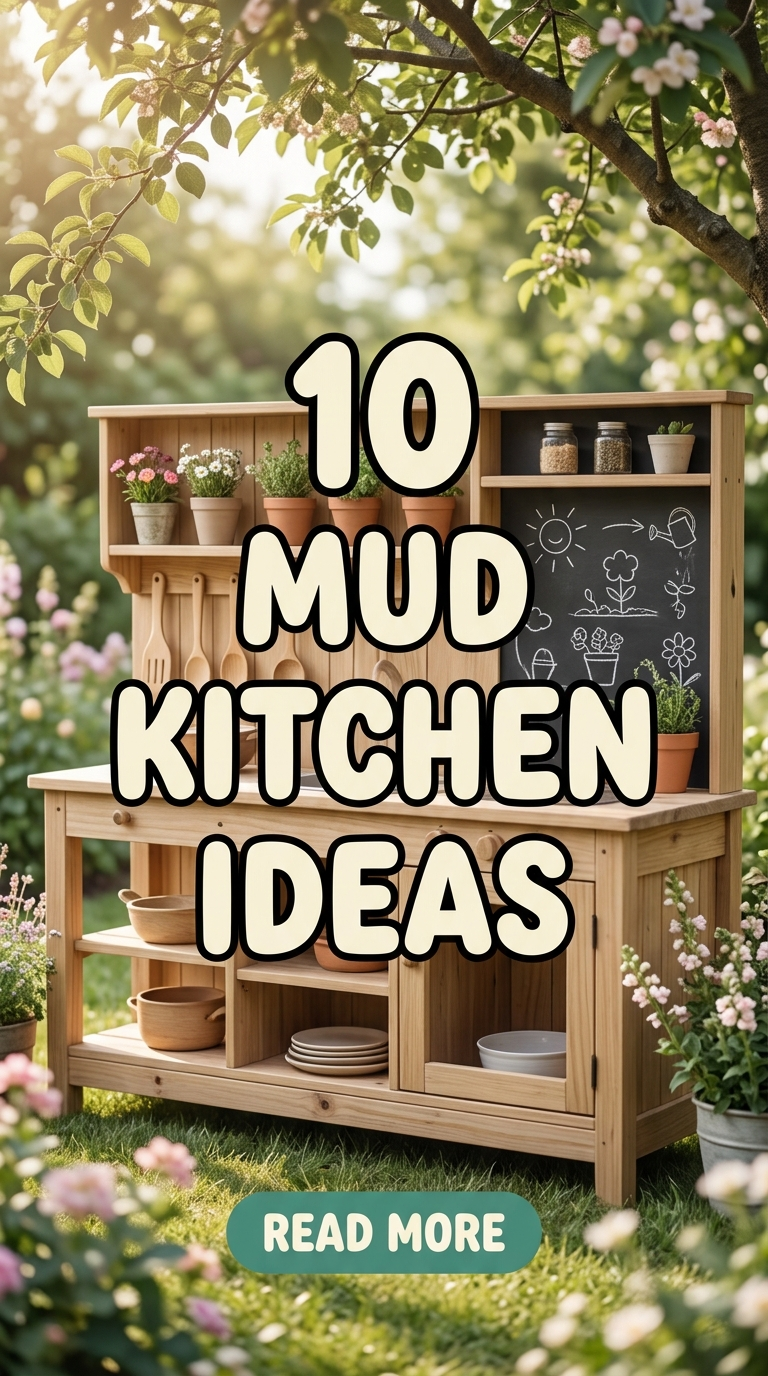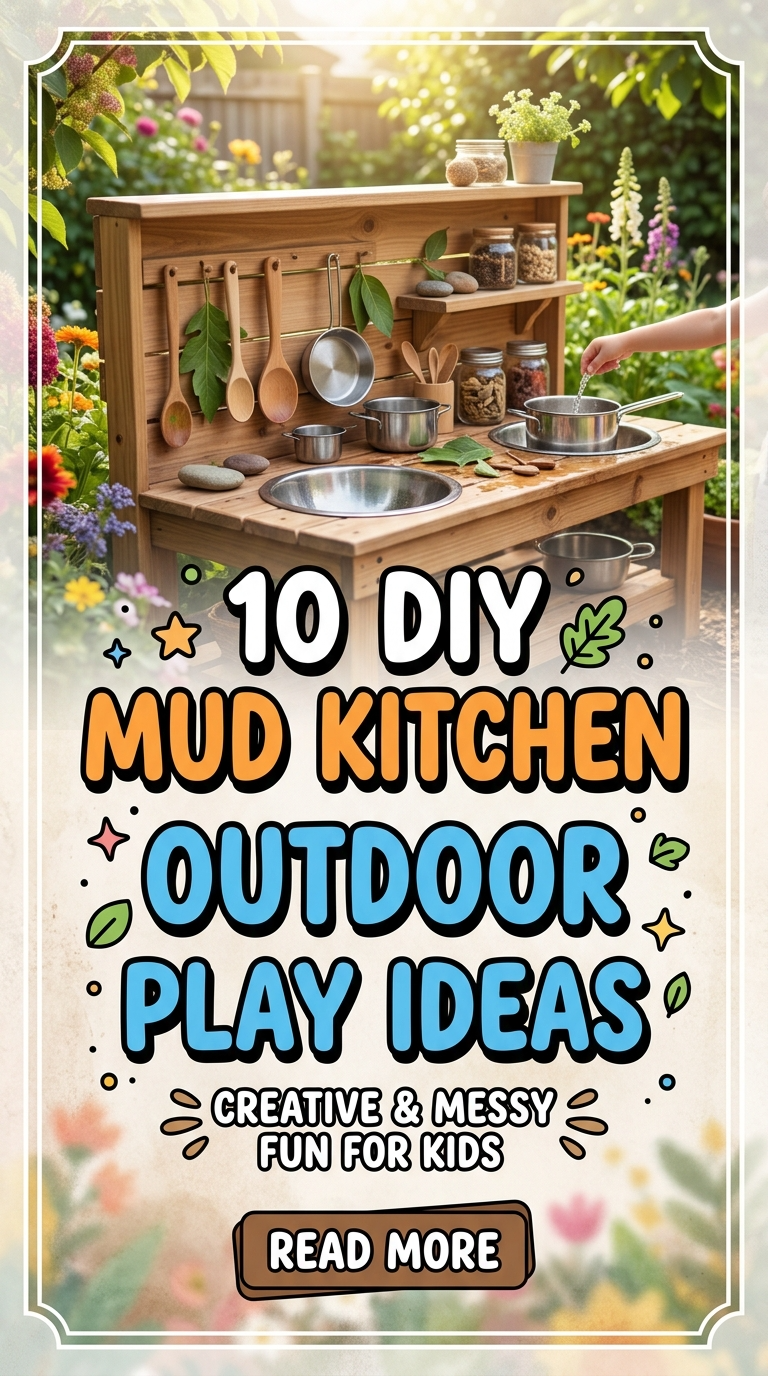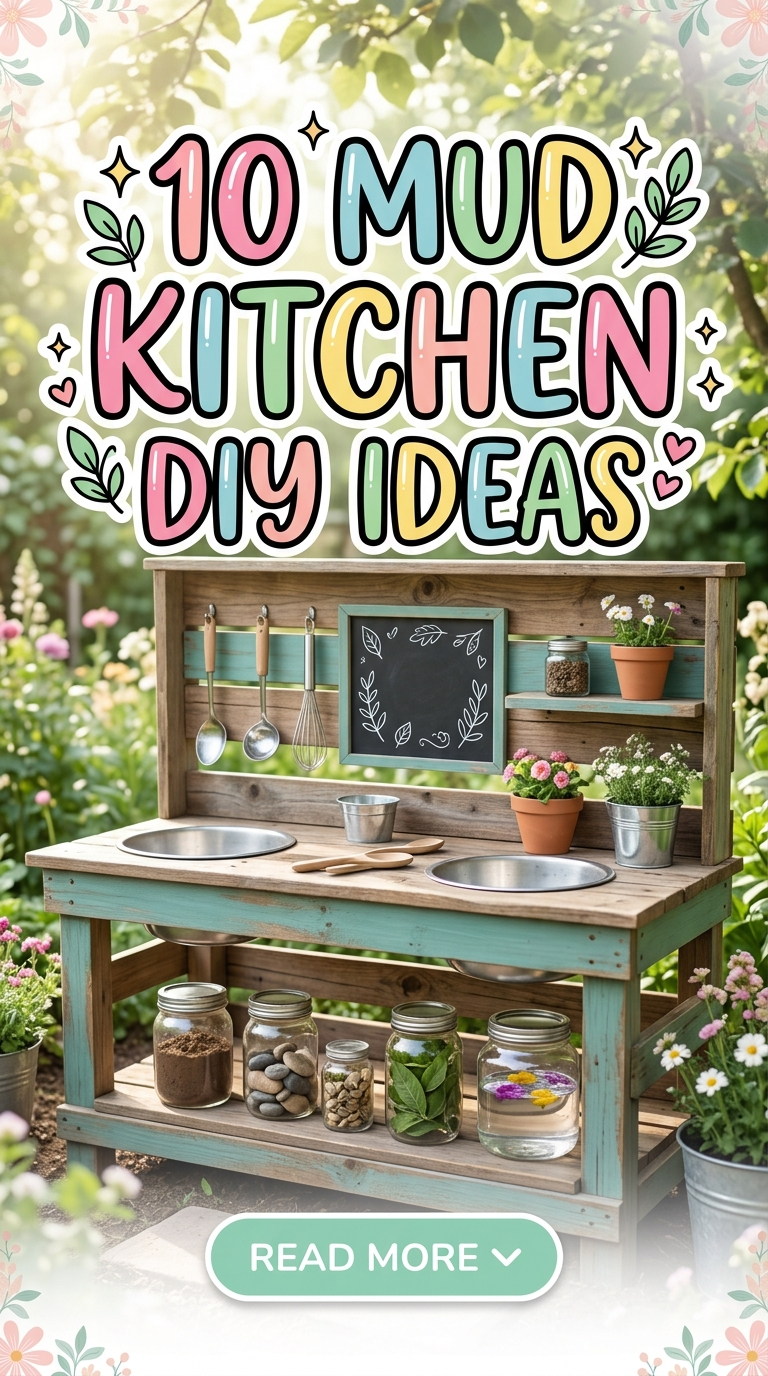
10 Mud Kitchen DIY Ideas
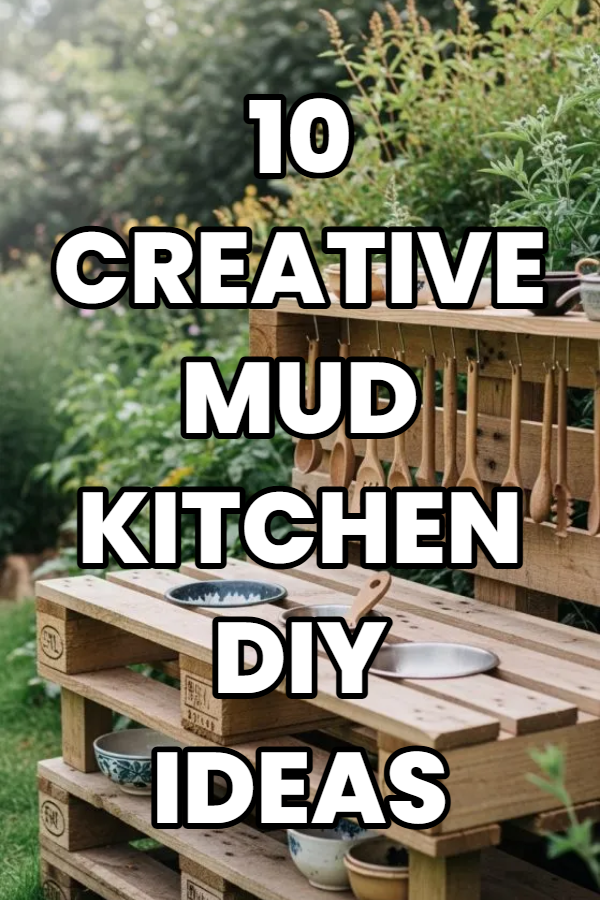
A mud kitchen DIY setup has become one of the most engaging outdoor creative projects for children and families who enjoy hands-on play and imaginative learning. It combines natural materials like soil, water, leaves, and stones with simple kitchen-style structures to create a functional pretend-play environment. This Pinterest-style idea is widely appreciated for encouraging sensory development, creativity, and open-ended exploration. Unlike indoor toys, a mud kitchen allows flexible, messy, and experimental play that supports learning through experience. It can be designed in gardens, backyards, or small outdoor corners using recycled materials and basic construction techniques.
This article explores practical and creative mud kitchen DIY ideas that are easy to understand and build step by step. Each concept focuses on different styles, setups, and organization methods suitable for beginners as well as more advanced creators. The aim is to provide clear inspiration for building functional and aesthetic outdoor play kitchens using simple materials. Whether the goal is a minimalist style setup or a more detailed creative project, these ideas help transform outdoor spaces into interactive learning zones that encourage imagination, sensory activity, and organized play.
Why This Idea Is Trending or Useful
Mud kitchen DIY projects are increasingly popular in Pinterest ideas because they combine creativity, sustainability, and learning in one practical setup. Parents and educators value them as they encourage children to engage with natural elements instead of screens. The use of outdoor materials like mud, water, and plants supports sensory exploration and develops fine motor skills. These setups are also highly adaptable, making them suitable for small gardens, school playgrounds, or larger backyard spaces.
Another reason for their popularity is affordability and accessibility. Most mud kitchen builds rely on recycled wood, old containers, and simple tools, making them ideal for budget ideas and beginner friendly projects. They also align with modern design trends such as minimalist style and eco-conscious living. On Pinterest and DIY communities, these setups are widely shared as creative projects that can be customized endlessly. Their flexibility allows each design to reflect personal creativity while still serving a functional purpose in outdoor play and learning environments.
Materials and Preparation
Before starting any mud kitchen DIY project, proper planning and material selection are essential for safety, durability, and functionality. Common materials include wooden pallets, old tables, crates, stones, bricks, and recycled containers such as bowls, buckets, and jars. These items help create a realistic kitchen-like structure while keeping costs low. Natural elements like soil, sand, leaves, and water sources are also needed for authentic mud play. Tools may include a hammer, nails, screws, sanding paper, paint, and brushes depending on the complexity of the build.
Preparation begins with selecting a suitable outdoor space that is easy to clean and accessible. A flat surface is ideal for stability. The area should be planned according to the size of the structure and the number of users. It is important to ensure safe boundaries, especially for children. Organizing materials in advance reduces construction time and ensures a smoother building process. Sketching a simple layout helps visualize the final structure and decide where different elements such as sinks, shelves, and cooking zones will be placed. Proper preparation ensures the mud kitchen is functional, durable, and visually appealing.
MAIN IDEAS SECTION
Idea 1: Rustic Wooden Pallet Mud Kitchen Design
How to Create
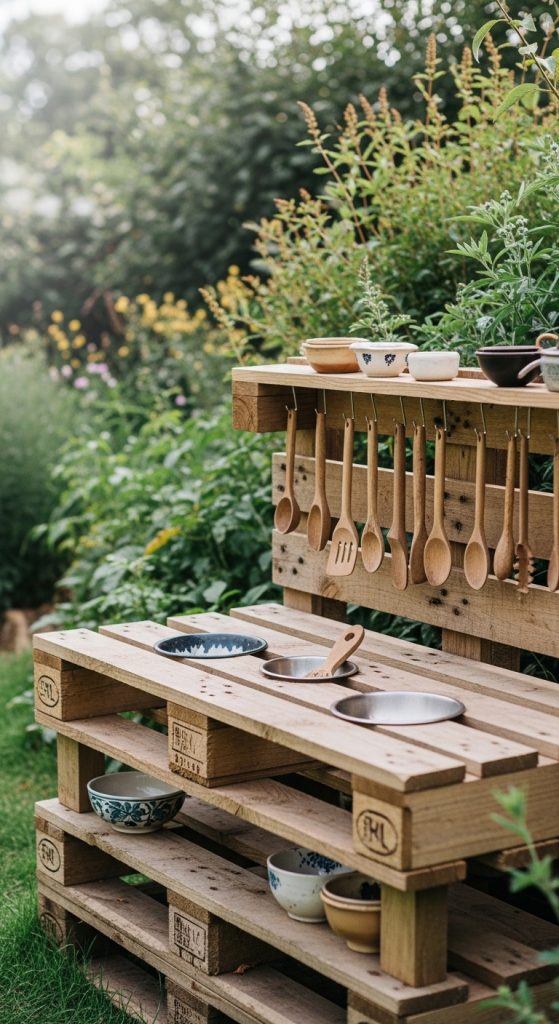
A rustic wooden pallet mud kitchen DIY design focuses on using reclaimed wood to build a sturdy and natural-looking outdoor play station. This concept is popular in Pinterest ideas because it blends sustainability with aesthetic appeal. The structure typically includes a base counter, shelving areas, and designated spaces for bowls, pots, and utensils. The natural texture of wood gives the setup a minimalist style while still feeling warm and engaging for creative play. This design is ideal for gardens where a natural, earthy appearance is preferred over painted or synthetic finishes.
To create this setup, wooden pallets are cleaned, sanded, and arranged into a counter-height structure. One pallet can form the base, while others can be attached vertically for support and shelving. Nails or screws secure the structure. Small bowls or containers can be embedded into cut-out sections to mimic sinks or cooking stations. The surface can remain natural or be lightly sealed for durability. Additional accessories such as hooks for hanging tools or small shelves for storage can be added. This DIY tutorial is beginner friendly and requires only basic tools and planning, making it a practical and creative project for outdoor play areas.
Idea 2: Stone and Brick Outdoor Mud Cooking Station
How to Create
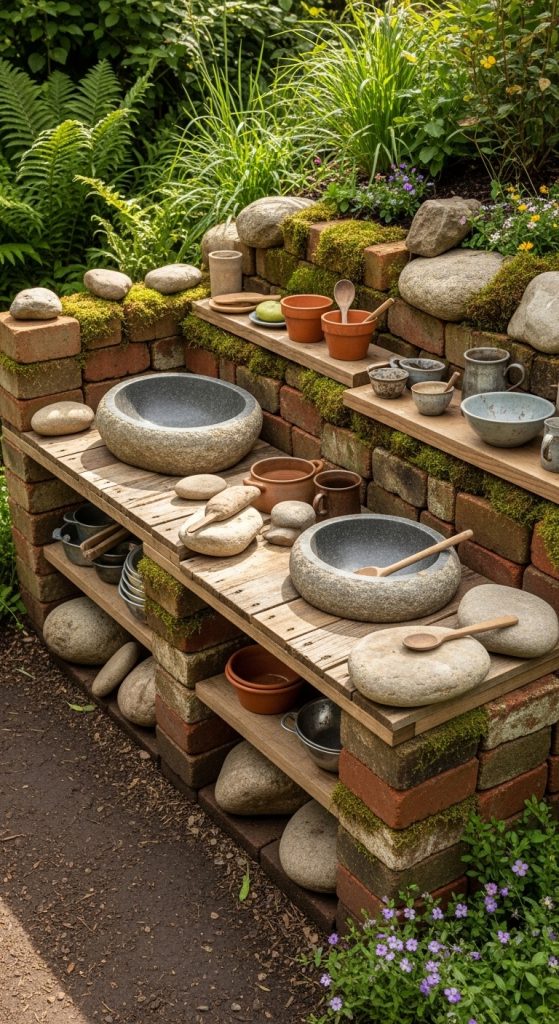
A stone and brick mud kitchen DIY idea focuses on building a durable outdoor structure that blends naturally with garden environments. This concept is widely used in creative ideas for outdoor home decor because it is long-lasting and visually stable. Stones and bricks create a solid foundation that can withstand weather conditions and frequent use. The design usually includes a cooking counter, storage spaces, and designated areas for mixing mud and water. Its earthy appearance makes it ideal for minimalist and natural garden themes.
To build this structure, a flat outdoor area is selected and leveled. Bricks are arranged to form a stable base, while stones are used for decorative and structural support. Cement or mud can be used to secure the foundation depending on permanence requirements. A flat wooden or stone slab can be placed on top as a working surface. Small recesses can be created to hold bowls or water containers. This step by step setup method ensures durability and functionality. The result is a strong and visually appealing mud kitchen that integrates naturally with outdoor surroundings while providing a safe and structured play environment.
Idea 3: Repurposed Table Mud Kitchen Setup
How to Create
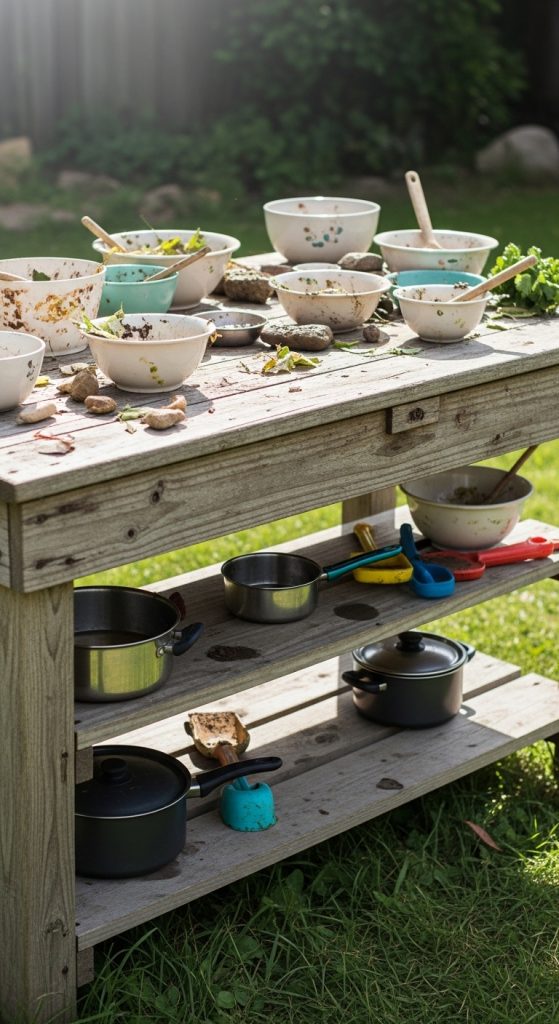
A repurposed table mud kitchen DIY idea transforms an old table into a functional outdoor play station. This approach is highly popular in budget ideas because it minimizes construction effort while maximizing reuse of materials. The table serves as the main structure, offering a ready-made surface that can be adapted into a cooking and mixing area. It is especially suitable for beginner friendly projects where simplicity and speed are important. The design can be enhanced with shelves, containers, and hooks to create a more interactive setup.
To create this idea, an unused table is cleaned and inspected for stability. The surface may be modified by cutting openings for bowls or sinks. Additional wooden planks can be attached underneath to form storage shelves. Containers are placed on top or embedded into the surface for mud mixing activities. The table can remain natural or be lightly coated for outdoor protection. This easy project requires minimal tools and can be completed quickly. It is a practical way to introduce children to outdoor creative play while reusing existing furniture effectively.
Idea 4: Compact Corner Mud Kitchen for Small Spaces
How to Create
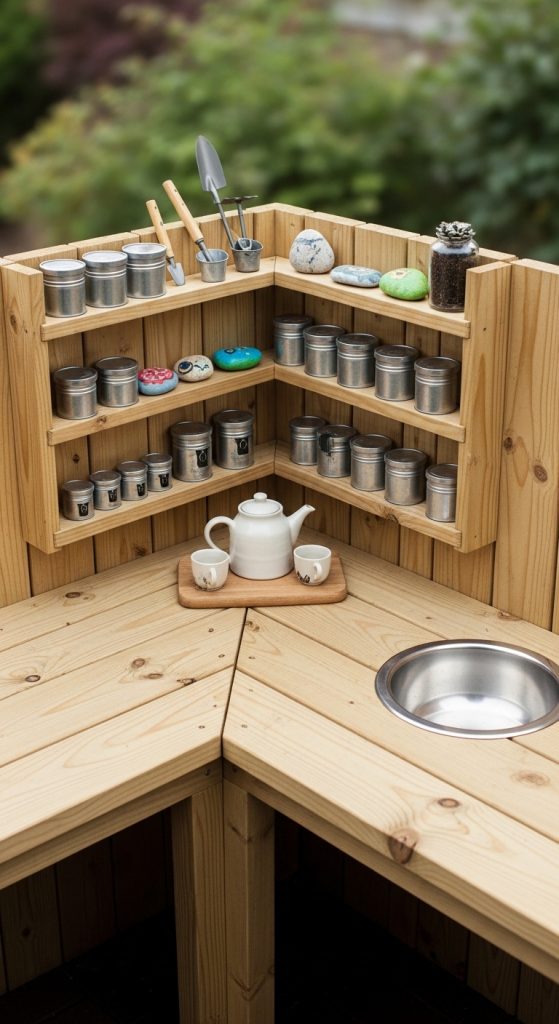
A compact corner mud kitchen DIY design is ideal for small outdoor areas where space is limited but creative play is still desired. This concept focuses on maximizing corners of gardens or patios by building a structured yet space-saving setup. It is commonly featured in Pinterest ideas due to its efficiency and adaptability. The design includes a small counter, vertical storage, and essential play elements arranged in a tight but functional layout. Despite its size, it still supports imaginative and sensory play activities.
To create this setup, a corner space is selected and measured carefully. Wooden boards or pallets are used to form an L-shaped counter that fits the available area. Vertical shelving can be added above the counter for storing utensils and containers. Lightweight materials are preferred to avoid overcrowding the space. The structure can be secured to walls or fences for stability. This step by step approach ensures efficient use of space while maintaining functionality. It is an excellent solution for urban homes or small gardens that require creative but compact DIY solutions.
Idea 5: Portable Mud Kitchen on Wheels
How to Create
A portable mud kitchen DIY design introduces mobility into outdoor play setups, allowing the structure to be moved easily across different areas. This concept is useful for flexible outdoor environments and is often considered one of the most creative ideas in modern DIY tutorials. The design typically includes a lightweight frame mounted on wheels, with sections for mixing, cooking, and storing materials. It allows children to change play locations while maintaining the same setup.
To build this structure, a lightweight wooden frame is constructed and fitted with durable wheels at the base. The frame includes a counter surface and small storage compartments. Containers are secured to prevent movement during transport. Handles can be added for easier pushing and control. The structure should be balanced to avoid tipping. This setup method emphasizes safety and practicality while maintaining creative value. It is a beginner friendly project that introduces flexibility into traditional mud kitchen designs and supports dynamic outdoor play experiences.
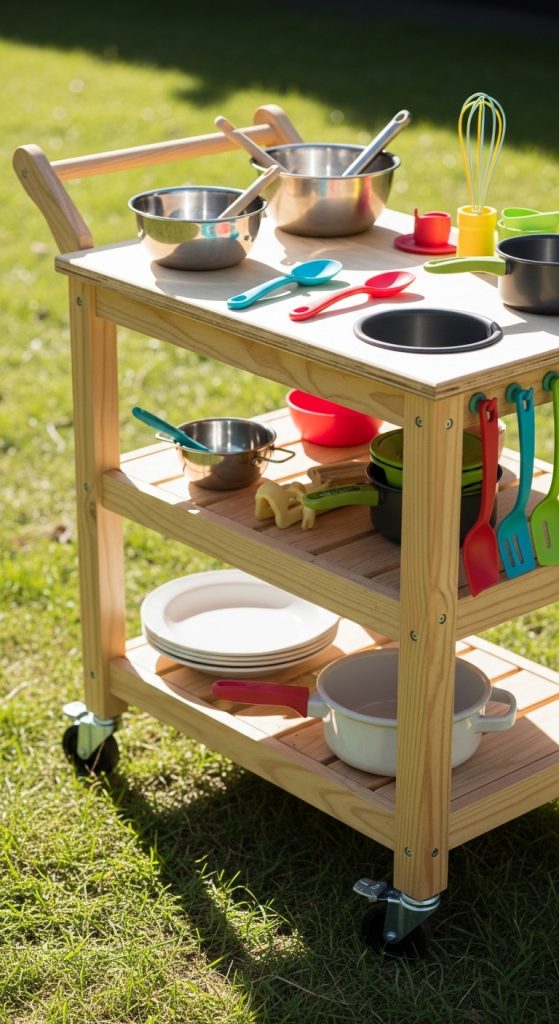
Idea 6: Multi-Level Mud Kitchen with Shelving System
How to Create
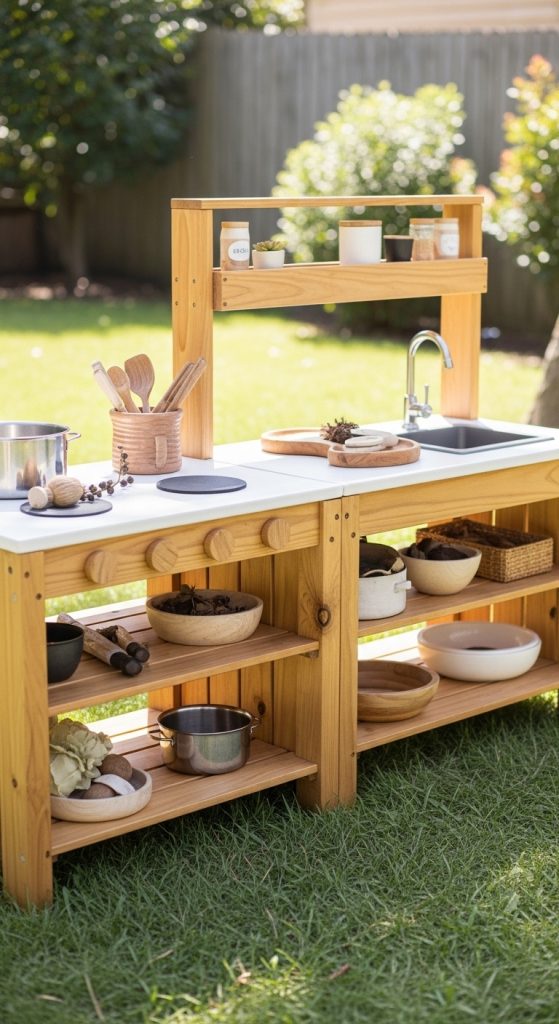
A multi-level mud kitchen DIY idea focuses on vertical organization to create a structured and visually engaging play station. This design is ideal for maximizing functionality in a limited footprint. It incorporates multiple layers such as ground-level cooking areas, mid-level preparation surfaces, and upper shelving for storage. This layered approach adds depth and improves organization while maintaining an aesthetic modern design.
To create this setup, a strong wooden frame is built with clearly divided levels. The lower section is used for mixing mud and water, while the middle section serves as the main working counter. The top section includes shelves for containers and tools. Each level is securely fastened to ensure stability. Materials are arranged according to usage frequency for easy access. This step by step structure improves usability and keeps the area organized. It is a practical DIY project that enhances both functionality and visual appeal in outdoor creative spaces.
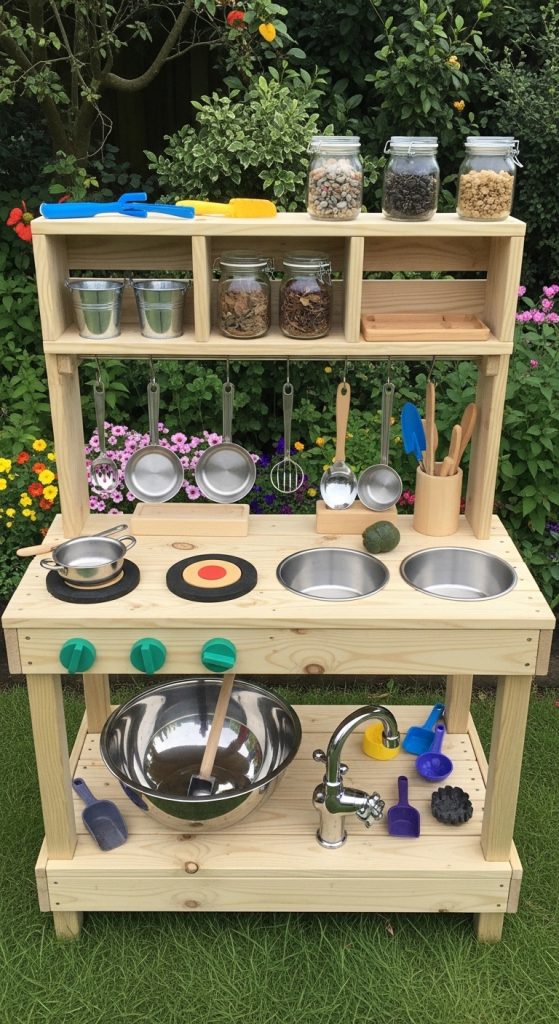
Idea 7: Natural Branch and Log Mud Kitchen Design
How to Create
A natural branch and log mud kitchen DIY design uses organic materials directly sourced from outdoor environments. This concept aligns with eco-friendly and handmade decoration trends found in Pinterest inspiration boards. The structure emphasizes natural aesthetics, using logs as support pillars and branches as decorative or functional elements. It creates a strong connection between the play area and the surrounding environment.
To build this design, sturdy logs are placed vertically to form the base structure. Horizontal branches are used to create shelves and counters. The joints can be secured using rope or natural bindings. Flat wooden surfaces may be added for cooking areas. The natural textures remain exposed to preserve authenticity. This setup method encourages environmental awareness and creativity. It is a beginner friendly project that requires minimal processing of materials while offering a highly organic and visually appealing outdoor play structure.
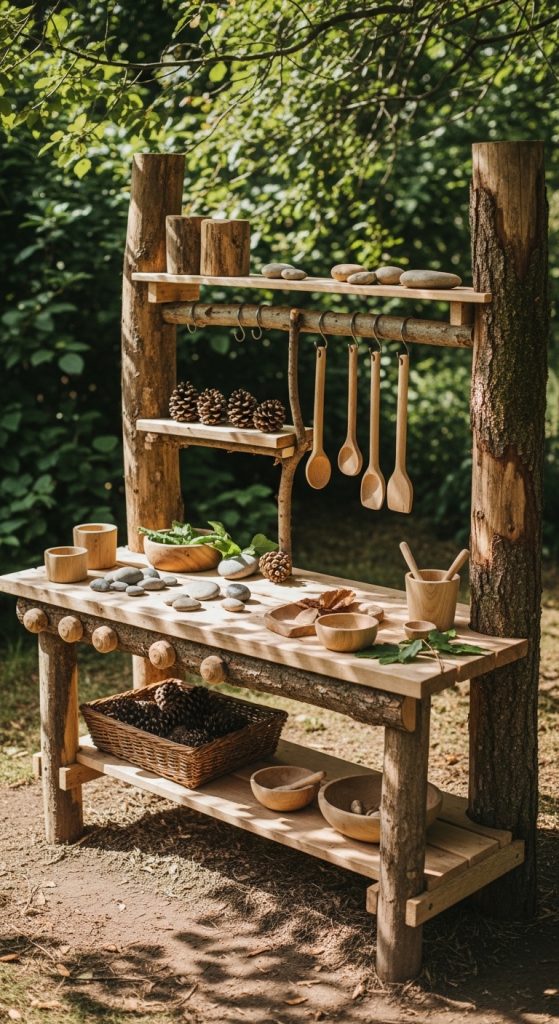
Idea 8: Painted Themed Mud Kitchen for Creative Expression
How to Create
A painted themed mud kitchen DIY design focuses on personalization through color and artistic expression. This idea is widely shared in creative projects because it allows customization while maintaining functionality. The structure can follow themes such as farmhouse style, ocean-inspired design, or modern minimalist style. Painting enhances visual appeal and makes the setup more engaging for children.
To create this design, a basic wooden structure is built using pallets or tables. Once assembled, non-toxic outdoor paint is applied to different sections based on the chosen theme. Patterns, labels, or simple illustrations can be added to define cooking zones or storage areas. Containers and tools can also be color coordinated. This step by step process allows full creative freedom while maintaining structure. It is a beginner friendly project that combines functionality with artistic design, making it a strong addition to outdoor creative spaces.
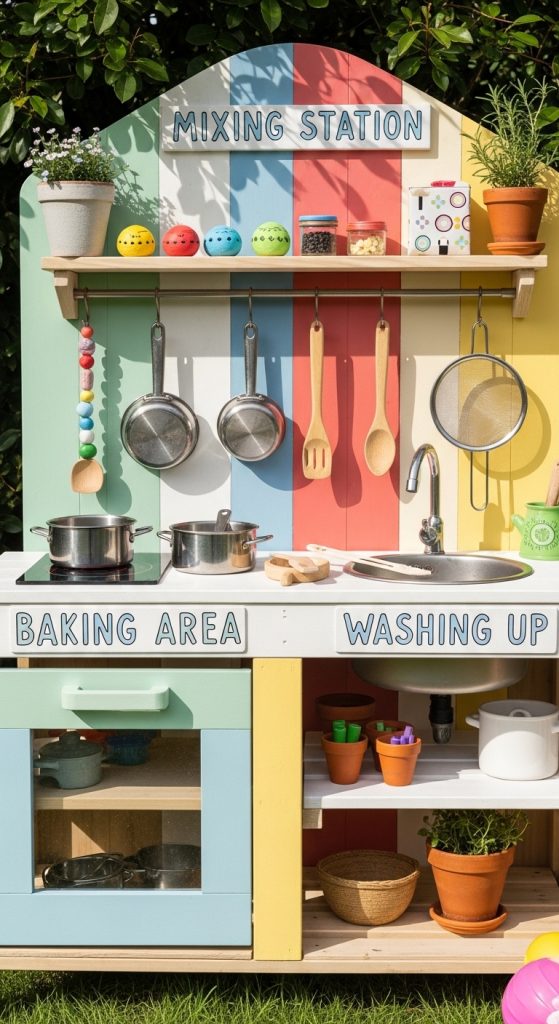
Idea 9: Water Flow Integrated Mud Kitchen Station
How to Create
A water flow integrated mud kitchen DIY idea introduces movement and interaction by incorporating flowing water into the setup. This design enhances sensory experience and supports hands-on exploration. It is commonly used in educational outdoor environments because it encourages experimentation with textures and materials. The structure includes channels or pipes that guide water into mixing areas.
To build this setup, a stable base structure is created using wood or stone. Small channels are carved or attached to guide water flow from a container or tap source. Buckets or basins are placed at collection points. Gravity-based flow systems can be used for simplicity. The structure must ensure controlled water movement to prevent flooding. This step by step design encourages understanding of cause and effect while maintaining creative play. It is a practical and engaging project that enhances traditional mud kitchen setups.
Idea 10: Modular Expandable Mud Kitchen System
How to Create
A modular expandable mud kitchen DIY design focuses on flexibility and future expansion. This concept is ideal for growing children or evolving outdoor spaces. The structure is built in separate sections that can be rearranged or expanded over time. It is widely appreciated in modern design ideas because it supports long-term use and adaptability.
To create this system, individual modules such as counters, shelves, and sinks are built separately using wood or recycled materials. Each module is designed to connect easily with others using hooks, brackets, or sliding joints. This allows users to modify the layout based on available space or activity needs. The modular approach ensures continuous usability and customization. It is a highly practical DIY tutorial that supports evolving creative outdoor play environments.
Common Beginner Mistakes and How to Avoid Them
One common mistake in mud kitchen DIY projects is poor planning of space and structure. Many beginners start building without measuring the area, which leads to unstable or overcrowded designs. Another issue is using weak or unsuitable materials that cannot withstand outdoor conditions. Lack of proper sealing or protection also reduces durability. Some setups ignore safety considerations, such as sharp edges or unstable joints.
To avoid these mistakes, careful planning and preparation are essential. Selecting durable materials, measuring space accurately, and ensuring structural stability improve the final result. Regular inspection during construction helps identify weaknesses early. Proper finishing techniques such as sanding and securing joints enhance safety and longevity. These steps ensure the project remains functional, safe, and visually appealing.
Practical Tips for Better Results
Improving a mud kitchen DIY setup requires attention to detail and thoughtful arrangement of materials. Keeping frequently used items within easy reach enhances usability. Organizing containers by purpose improves workflow during play. Incorporating natural elements like stones and leaves increases sensory engagement. Ensuring stable surfaces prevents accidents and improves long-term durability.
Using layered storage systems and clearly defined zones helps maintain order. Adding simple labeling or visual markers supports structured play. Choosing weather-resistant materials ensures the setup remains functional throughout different seasons. These practical improvements enhance both usability and aesthetic value, making the project more effective and enjoyable.
Styling, Presentation, or Organization Ideas
Styling a mud kitchen DIY setup involves balancing natural aesthetics with functional design. A minimalist style approach focuses on clean lines, simple materials, and uncluttered surfaces. Organizing tools in visible and accessible ways improves usability while maintaining visual harmony. Natural textures like wood and stone enhance outdoor integration.
Adding themed zones or color-coded sections improves presentation without compromising simplicity. Vertical storage solutions help maintain space efficiency. Arranging materials in consistent patterns creates a visually pleasing layout. These organization techniques improve both appearance and functionality, aligning with modern home decor and creative project trends.
Budget or Time Planning
Planning a mud kitchen DIY project on a budget requires efficient use of recycled and available materials. Wooden pallets, old furniture, and natural elements reduce costs significantly. Simple designs can be completed within a day, while more complex structures may take several days depending on detail.
Time management involves dividing the project into preparation, construction, and finishing stages. Preparation includes gathering materials, while construction focuses on building the structure. Finishing involves adjustments and organization. This structured approach ensures efficient progress while maintaining quality and functionality in the final setup.
Creative Expansion and Advanced Inspiration
Advanced mud kitchen DIY projects can include interactive features such as rotating stations, adjustable shelves, or integrated sensory zones. Expanding the structure with additional modules allows continuous growth and adaptation. Incorporating natural landscaping elements enhances environmental connection.
Creative expansion also includes blending educational elements such as measurement areas or mixing experiments. Multi-functional zones increase usability and engagement. These advanced ideas transform simple setups into dynamic outdoor learning environments that support creativity, exploration, and long-term use.